Getting around Brazil: flights, buses, apps and cars
Brazil is huge. How to travel between cities and get around town, from domestic flights and long-distance buses to Uber, metros, boats and rental cars, with the phrases you'll need.
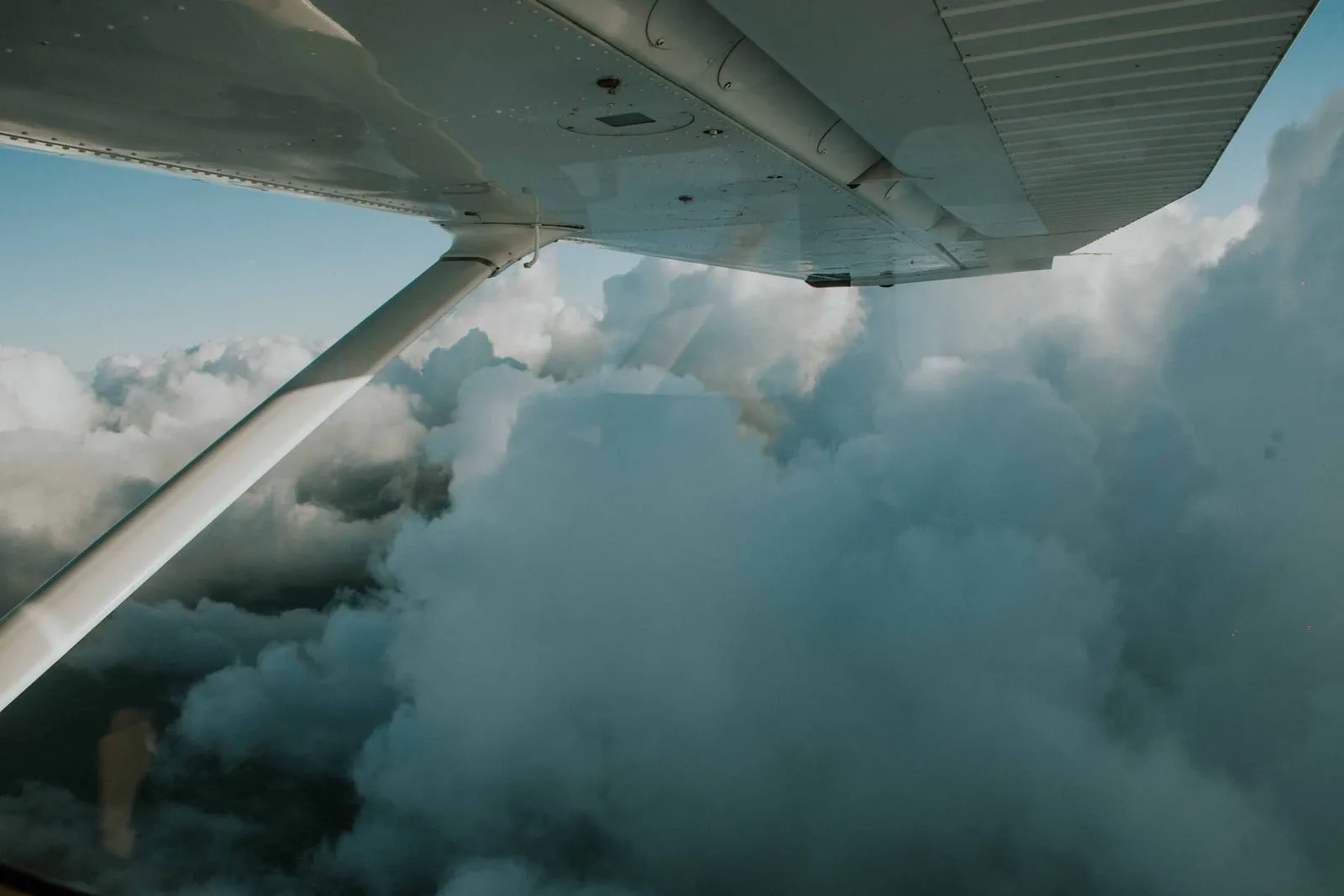
Brazil is bigger than the continental United States. Rio to Salvador is about 1,600 km; São Paulo to Manaus is almost 3,000 km. The most common mistake first-timers make is trying to see too much. Plan fewer places, more days, and use flights for long distances.
Quick guide: how to travel between places
| Distance | Best option | Example |
|---|---|---|
| Under 500 km | Bus or car | Rio → Paraty (4–5 h) |
| 500–800 km | Bus overnight, or a flight | São Paulo → Florianópolis |
| Over 800 km | Plane | Rio → Salvador (2 h flight) |
| Islands | Boat | Salvador → Morro de São Paulo |
Domestic flights
For long distances, flying is the way. The main airlines are LATAM, GOL and Azul, with connections all over the country. São Paulo (GRU and Congonhas, CGH), Brasília (BSB), Campinas (VCP, an Azul hub) and Rio are the big hubs, so many routes connect through them.
- Book early. Prices can double or triple close to the date, and around holidays (Christmas, New Year, Carnival, July).
- Check the airport. São Paulo and Rio each have two main airports. Rio’s Santos Dumont (SDU) is right downtown; Galeão (GIG) is farther and handles international flights.
- Baggage: the cheapest fares often don’t include checked bags. Check the fare before you buy.
- Use flight search sites to compare, but buying directly from the airline makes changes easier.
- Arrive 1.5–2 hours early for domestic flights. Lines at security can be long at peak times.
Air passes: some airlines offer air passes for international visitors, which can save money if you plan several domestic flights. Check what’s available when you book your international ticket.
Long-distance buses
Brazil has an excellent network of intercity buses (ônibus). They’re comfortable, safe and air-conditioned (bring a jacket: it can be very cold!). They leave from the rodoviária (bus station) in each city.
- Seat types: convencional (basic), executivo (more legroom), semi-leito (reclining) and leito or leito-cama (almost flat, great for overnight trips).
- Tickets: buy online on bus booking sites or the company’s site, or at the station. Bring your passport: you need ID to board.
- Luggage goes under the bus. You’ll get a tag. Keep valuables with you.
- Stops: buses stop every few hours at roadside restaurants for food and bathrooms.
Overnight buses save a night of accommodation, but they’re tiring. For routes over 10 hours, compare with flight prices: they’re often similar.
Getting around cities
Uber and 99
Uber and the Brazilian app 99 work in almost every city and are the easiest, safest way to get around, especially at night and from airports. They’re usually cheaper than taxis.
- Check the license plate and the driver’s name before you get in.
- Many drivers will chat. Great Portuguese practice!
- Sit in the back seat.
- Pick-up points at airports are often in a specific area. Follow the signs to the embarque por aplicativo zone.
Taxis
Taxis are safe and metered. At airports and bus stations, use the official taxi rank or prepaid taxi booths. Ask “quanto mais ou menos até…?” (roughly how much to…?) before you go.
Metro and public buses
- São Paulo has an extensive metro and train network.
- Rio de Janeiro has a metro that connects Ipanema, Copacabana, Botafogo and downtown, plus a light rail (VLT) downtown.
- Brasília, Belo Horizonte, Recife, Salvador, Porto Alegre and Fortaleza also have metro lines.
Most systems accept contactless cards directly at the gates. City buses are cheap and go everywhere, but they can be confusing and crowded. The route is written on the front: ask the driver “esse ônibus passa em…?”.
Renting a car
Renting a car is great for some regions: Minas Gerais, the south (Santa Catarina, Rio Grande do Sul, Gramado), the Northeast coast between beaches, and the Costa Verde. In big cities, traffic and parking make it a bad idea.
- Your home driver’s license is usually accepted for short stays. An International Driving Permit is recommended.
- Drive on the right. Speed cameras (radares) are everywhere, and fines go to the rental company and then to you.
- Don’t drive at night in remote areas. Watch out for speed bumps (lombadas or quebra-molas), often unpainted.
- Toll roads (pedágios) are common around São Paulo; many now charge automatically.
- Fuel: most rental cars are flex, running on gasolina or etanol (ethanol). An attendant fills the tank; say “completa, por favor”.
Boats and ferries
Some of Brazil’s best places are reached by water: Ilha Grande (from Angra or Conceição de Jacareí), Morro de São Paulo (catamaran from Salvador), Fernando de Noronha (flight only), the Amazon (riverboats from Manaus and Belém) and the Niterói ferry from Rio. In the Amazon, slow riverboats with hammocks are an adventure in themselves.
Tips
- Distances on the map are deceptive. Check travel times, not kilometers.
- Avoid traveling on holiday weekends. Roads, buses and airports get packed.
- Download offline maps and a ride app before you land.
- Keep your passport handy for flights, buses and some boats.
Useful phrases
- 01
Onde fica a rodoviária?
Where is the bus station?
- 02
Uma passagem para Paraty, por favor.
One ticket to Paraty, please.
- 03
Que horas sai o próximo ônibus?
What time does the next bus leave?
- 04
Esse ônibus passa em Copacabana?
Does this bus go through Copacabana?
- 05
Qual é a plataforma?
Which platform is it?
- 06
Pode parar aqui, por favor.
You can stop here, please.
- 07
Pode ligar o ar-condicionado?
Can you turn on the air conditioning?
- 08
Quanto tempo leva até o aeroporto?
How long does it take to get to the airport?
- 09
Onde eu desço para o centro?
Where do I get off for downtown?
- 10
Completa, por favor.
Fill it up, please.
At the gas station. Attendants fill the tank for you in Brazil.
Audio made with Ed's AI voice. Want to hear the real Ed? Book a lesson