Money in Brazil: cards, cash and Pix for travelers
How to pay in Brazil as a tourist. Cards, cash, ATMs, Pix, exchange, how prices are written, installments, common scams and the Portuguese you need at the checkout.
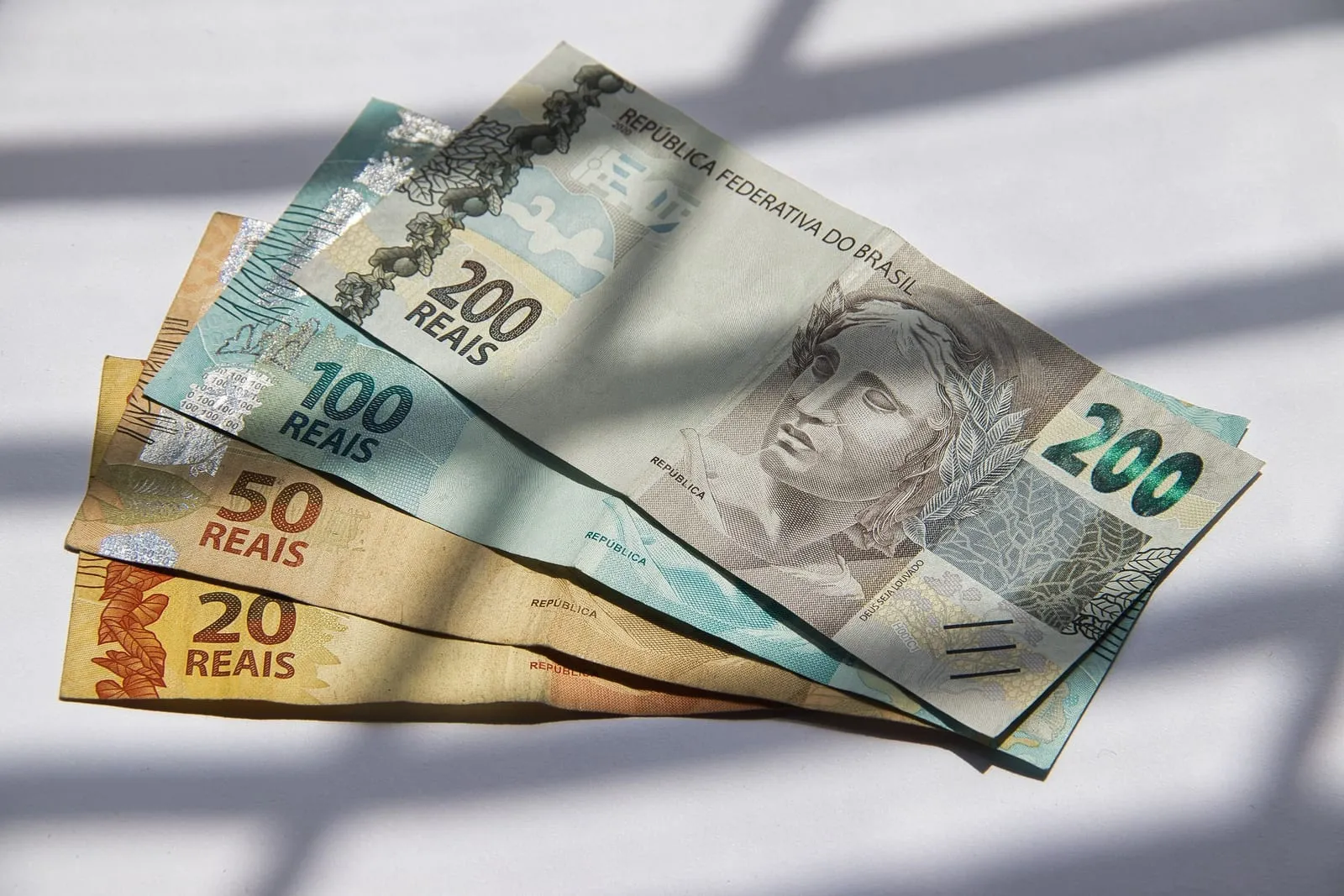
Brazil’s currency is the real (plural reais), written R$, and pronounced roughly “hay-OW” (plural “hay-ICE”). The good news: paying in Brazil is easy. Cards work almost everywhere, and you’ll only need a little cash.
How prices are written
Brazil uses a comma for cents and a dot for thousands, the opposite of the US and UK:
- R$ 12,50 = twelve reais and fifty cents
- R$ 1.200,00 = one thousand two hundred reais
The real is divided into 100 centavos. Banknotes come in 2, 5, 10, 20, 50, 100 and 200 reais, each with a Brazilian animal on the back (the 2 has a sea turtle, the 100 a grouper fish). Coins go from 5 centavos to 1 real.
You’ll also see prices like “10x de R$ 29,90”. That’s an installment price (parcelado), very common in Brazil, even for clothes and electronics. As a tourist, you’ll almost always pay à vista (in full).
Cards work almost everywhere
In cities and tourist areas, credit and debit cards are accepted almost everywhere, from supermarkets to beach kiosks, and contactless payment (por aproximação) is very common, including with Apple Pay and Google Pay. Visa and Mastercard are the most widely accepted; American Express less so.
When you pay, the cashier will bring a small card machine (maquininha) to you and ask “crédito ou débito?”. With a foreign card, choose crédito, even if it’s a debit card: the “débito” option often only works with Brazilian cards.
Choose to pay in reais. If the machine or an ATM offers to charge you in your home currency (“dynamic currency conversion”), say no and pay in BRL. The conversion rate offered is almost always worse.
Travel cards
Multi-currency cards and digital banks (like Wise, Revolut and similar) usually give you a much better exchange rate than a traditional bank card, and low or no fees. They’re a great choice for Brazil.
Pix: Brazil’s favorite way to pay
Brazilians pay for almost everything with Pix, an instant transfer made by scanning a QR code or typing a phone number, email or ID into a banking app. It’s free and instant, and you’ll see “Aceitamos Pix” signs everywhere, even at the smallest beach stall.
Pix normally requires a Brazilian bank account and tax number (CPF), so most tourists use cards instead. However, a growing number of international apps and travel cards now let foreigners pay with Pix. Check if your app offers it before your trip. It’s convenient, but you won’t need it to get by.
Cash: carry a little
Keep R$ 100–200 in small bills for:
- Street vendors, beach chairs and umbrellas
- Small tips and public toilets
- Markets, fairs and street food
- Small towns, islands and rural areas, where card machines can fail because of bad signal
Avoid big bills (100 and 200). Small vendors often can’t change them. Ask “tem troco para cinquenta?” before paying with a 50.
ATMs (caixas eletrônicos)
- Use ATMs inside banks, shopping malls, supermarkets or airports, preferably during the day.
- Banco24Horas machines, Bradesco and Banco do Brasil usually accept foreign cards. Look for the Visa/Mastercard/Plus/Cirrus logos.
- For security, many ATMs have lower limits at night (often after 10 p.m.), sometimes very low.
- Expect a fee per withdrawal from the ATM operator, plus whatever your own bank charges. Withdrawing a larger amount less often saves money.
- Cover the keypad and don’t accept help from strangers.
Exchanging money
You don’t need to bring reais from home. Using your card and withdrawing at ATMs usually gives the best rate. If you bring US dollars or euros, exchange them at a casa de câmbio in a city (compare rates), not at the airport, where rates are worse. Bring clean, undamaged notes.
How much things cost
To give you an idea (rough prices, late 2026, in cities):
| Item | Typical price |
|---|---|
| Coffee (cafezinho) | R$ 5–8 |
| Coconut water on the beach | R$ 8–15 |
| Prato feito (set lunch) | R$ 25–45 |
| Draft beer (chope) | R$ 10–18 |
| Caipirinha | R$ 18–35 |
| Dinner at a mid-range restaurant | R$ 80–150 per person |
| City bus or metro ride | R$ 5–8 |
For daily budgets, see Brazil travel costs.
Bargaining
Prices are fixed in shops, supermarkets and restaurants. At street markets, craft fairs and with beach vendors, polite bargaining is acceptable, especially if you buy more than one item: “Se eu levar dois, faz um desconto?” (If I take two, will you give me a discount?).
Avoid these mistakes
- Tell your bank you’re traveling so your card isn’t blocked.
- Check your card’s foreign transaction fees before you go.
- Don’t carry all your cards and cash together. Keep a backup card in the hotel safe.
- Always look at the amount on the card machine before you tap or type your PIN.
- Keep the card in sight. In restaurants, the waiter brings the machine to the table, so your card never needs to leave your hand.
- Check the bill for the 10% service charge before tipping extra. See tipping in Brazil.
Words you’ll see at the checkout
| Portuguese | English |
|---|---|
| caixa | cashier / checkout / ATM |
| dinheiro / em espécie | cash |
| troco | change |
| nota fiscal | receipt |
| senha | PIN (also password) |
| aproximação | contactless |
| parcelas | installments |
| taxa | fee |
Useful phrases
- 01
Aceita cartão?
Do you take cards?
- 02
Crédito ou débito?
Credit or debit?
You'll hear this at almost every checkout. With a foreign card, "crédito" usually works best.
- 03
Pode passar no cartão?
Can I pay by card?
- 04
Aceita Pix?
Do you take Pix?
- 05
À vista ou parcelado?
Pay in full or in installments?
Answer "à vista" (in one payment). Installments are usually only for Brazilian cards.
- 06
Tem troco para cinquenta?
Do you have change for fifty?
- 07
Onde tem um caixa eletrônico?
Where is there an ATM?
- 08
Quanto deu?
How much is it altogether?
- 09
Está muito caro. Faz um desconto?
It's too expensive. Can you give me a discount?
Fine at markets and with street vendors. Not in shops with marked prices.
- 10
Pode me dar a nota fiscal?
Can you give me the receipt?
- 11
CPF na nota?
Your CPF number on the receipt?
Cashiers ask this all the time. CPF is a Brazilian tax ID. Just say "não, obrigado".
Audio made with Ed's AI voice. Want to hear the real Ed? Book a lesson