Is Brazil safe for tourists? Practical safety tips
Practical, no-drama safety tips for traveling in Brazil. Phones and the beach, money, nightlife, transport, common scams, solo and LGBTQ+ travel, nature safety, emergency numbers and the Portuguese phrases you hope you'll never need.
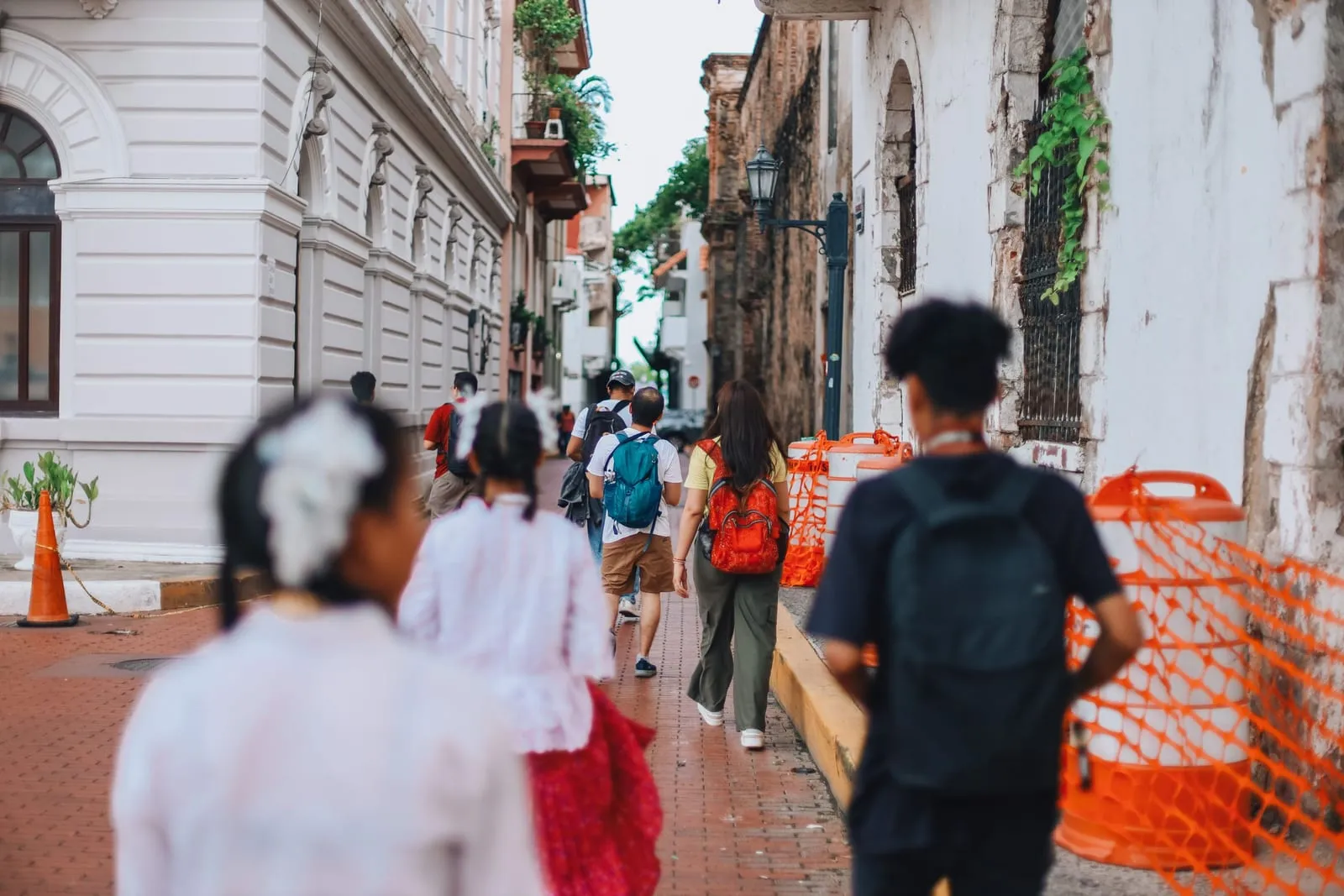
Millions of tourists visit Brazil every year and have a wonderful time. Brazil does have high crime rates in some areas, but most problems for travelers are petty theft, especially of phones, and a few simple habits make a huge difference. Don’t let fear stop you from going: just travel smart, like you would in any big city.
The golden rules
- Keep your phone discreet on the street, especially near the curb, where thieves on bikes or motorbikes can grab it. Step into a shop to check your map.
- Take only what you need. Leave your passport (carry a photo or copy), extra cards and most of your cash in the hotel safe.
- Dress down. Flashy jewelry, expensive watches and big cameras attract attention.
- Use Uber, 99 or taxis at night instead of walking long distances or through empty streets.
- Ask locals at your hotel or pousada which areas to avoid. They know best, and asking “esse bairro é seguro?” is completely normal.
- Stay where people are. Busy streets are safer than empty ones, especially after dark and on Sundays in business districts.
At the beach
Beaches are where tourists are most often robbed, usually of things left on the sand.
- Bring only a towel, some cash and an old phone (or none).
- Never leave things unattended while you swim. Take turns, or ask the beach kiosk or chair vendor to keep an eye on your things (they often will).
- Watch out for arrastões, rare but sudden group robberies on crowded beaches. If people start running, move away with them.
- Respect the flags. A red flag means dangerous currents. Rip currents are a real risk on many beaches, including Ipanema and Copacabana.
Money and cards
- Use ATMs inside banks, malls or airports, during the day.
- Don’t let your card out of sight. Waiters bring the card machine to your table.
- Check the amount on the machine before paying.
- Keep a backup card separate from your wallet.
Nightlife and parties
- Watch your drink and don’t accept drinks from strangers.
- Go out in a group and use ride apps to get back.
- In crowds (Carnival, New Year, football games, street parties), carry the minimum: a little cash and a cheap phone in a front pocket or a belt pouch.
Favelas and tours
Don’t wander into favelas (informal neighborhoods) on your own. If you’re interested, go with a reputable local guide, ideally someone who lives in the community. Many favela tours are run responsibly and the money goes to local projects.
Common scams and tricks
- The “distraction”: someone spills something on you, or asks for directions, while someone else takes your bag.
- Overcharging: always ask the price before you order at the beach or eat from a street vendor. Agree on the price before a taxi ride without a meter.
- Card machine tricks: a different amount on the screen, or a “broken” machine that needs your card swiped twice.
- Fake helpers at ATMs: don’t accept help from strangers.
- Romance and dating app scams: meet in public places, and never go to an unknown address alone.
On the road
- Rental cars: don’t leave anything visible inside the car. Avoid driving at night in remote areas.
- Red lights at night: in some cities, drivers slow down but don’t stop at red lights late at night. Don’t be surprised.
- Buses: keep valuables with you, not in the overhead rack.
Solo, women and LGBTQ+ travelers
- Solo travelers are common, especially in hostels and beach towns. Hostels are great for finding company for tours and nights out.
- Women may get catcalls and very direct compliments. A firm “não, obrigada” and walking away usually ends it. Brazil has women-only metro cars at rush hour in Rio and some other cities.
- LGBTQ+ travelers: same-sex marriage is legal and big cities like São Paulo, Rio, Florianópolis and Salvador have lively, welcoming scenes; São Paulo’s Pride is one of the biggest in the world. Smaller towns can be more conservative. Use the same discretion you would in any unfamiliar place.
Nature safety
- Hire local guides for hikes, especially in national parks, and tell someone where you’re going.
- Sun: the tropical sun is very strong. Use sunscreen, a hat and drink water. See health in Brazil.
- Waterfalls and rivers: rocks are slippery and flash floods can happen after rain. Follow your guide.
If something happens
Don’t react to a robbery: hand over what they ask for, without arguing or making sudden movements. Your things can be replaced.
Then:
- Go to a police station (delegacia) to file a report (boletim de ocorrência, or B.O.). You’ll need it for insurance. In many states, you can also file it online.
- Tourist police: Rio, Salvador and other tourist cities have special tourist police stations (DEAT or Delegacia do Turista) with English-speaking staff.
- Block your cards and phone right away.
- If your passport is stolen, contact your embassy or consulate.
Emergency numbers
| Number | Service |
|---|---|
| 190 | Military Police (Polícia Militar) |
| 192 | Ambulance (SAMU) |
| 193 | Fire department (Bombeiros), also rescues |
| 197 | Civil Police (investigations) |
Calls are free from any phone. Operators may not speak English, so learning the phrases on this page is a good idea.
Travel insurance with medical coverage is strongly recommended.
Useful phrases
- 01
Socorro!
Help!
- 02
Chama a polícia!
Call the police!
- 03
Fui assaltado.
I was robbed.
Said by a man. A woman says "fui assaltada".
- 04
Roubaram meu celular.
They stole my phone.
- 05
Preciso de um médico.
I need a doctor.
- 06
Esse bairro é seguro?
Is this neighborhood safe?
- 07
É seguro andar aqui à noite?
Is it safe to walk here at night?
- 08
Onde fica a delegacia mais próxima?
Where is the nearest police station?
- 09
Não, obrigado.
No, thank you.
Polite and firm, for vendors and anyone insistent. Women say "obrigada".
- 10
Me deixa em paz.
Leave me alone.
Audio made with Ed's AI voice. Want to hear the real Ed? Book a lesson