Chocolate de origem
Bean-to-bar chocolate made with cacao from the farms around Ilhéus. Look for local brands in the center.
"Esse chocolate tem quantos por cento de cacau?"What percentage of cacao does this chocolate have?
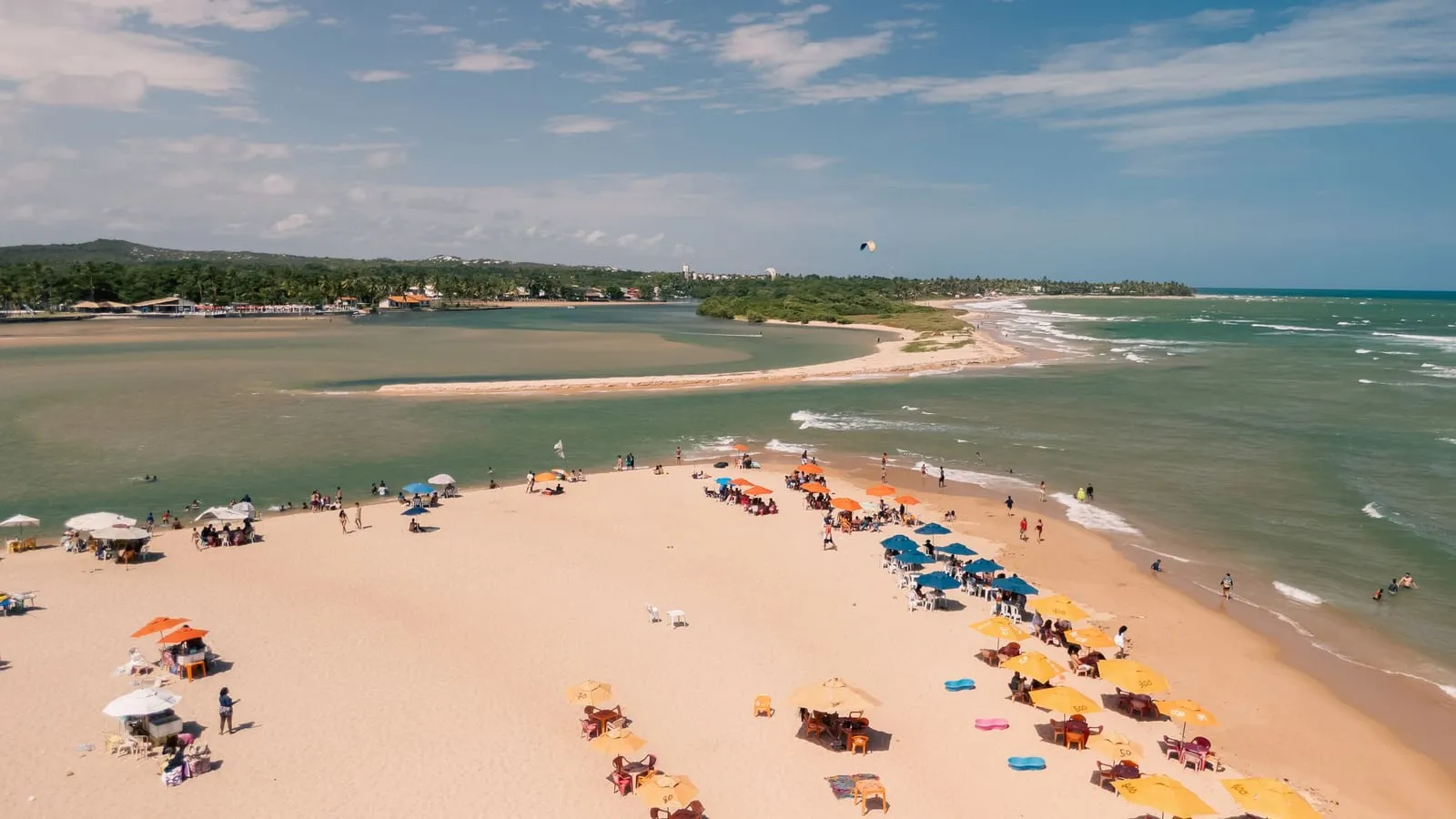
Jorge Amado's town of cacao barons, with chocolate farms, colonial streets and beaches of southern Bahia, plus the Portuguese you'll need there.
Ilhéus, on the southern coast of Bahia, was the heart of Brazil’s cacao boom in the early 20th century, when the “cacao barons” built mansions and the town became rich and famous. The novelist Jorge Amado grew up here and made it the setting of some of his best-loved books.
Today it’s a good stop for history, chocolate and beaches. You can visit the places from Amado’s novels, tour a cacao farm in the Atlantic forest and taste chocolate made from local beans, all while enjoying the warm Bahian way of speaking.
Updated November 2026 · by Ed
The Portuguese you'll actually use here. Tap to hear how it sounds, then say it out loud.
Start every question with "Com licença…" (excuse me) and end with "obrigado" (if you're a man) or "obrigada" (if you're a woman).
Onde fica a casa do Jorge Amado?
Where is Jorge Amado's house?
Quero fazer um passeio numa fazenda de cacau.
I'd like to do a tour on a cacao farm.
Posso provar o fruto do cacau?
Can I taste the cacao fruit?
The white pulp around the cacao seeds is sweet and fruity, nothing like chocolate. Locals make juice with it.
Essa praia é boa para surfe?
Is this beach good for surfing?
O Bar Vesúvio fica aberto até que horas?
How late is Bar Vesúvio open?
Me vê um suco de cacau.
Give me a cacao juice.
Ô, meu rei, bora tomar uma?
Hey buddy, shall we have a drink?
Audio made with Ed's AI voice. Want to hear the real Ed? Book a lesson
Two days for the town and a cacao farm. Add more for the beaches, or combine with Itacaré and Barra Grande.
The center is walkable and taxis reach the beaches. A car helps for farms and the coast road to Itacaré.
Plenty of apartments on Airbnb, especially near the beaches south of the center.
With a useful phrase for each one.

The childhood house of Brazil's most famous novelist, now a museum about his life and books, like "Gabriela, Clove and Cinnamon", set in Ilhéus.
"Qual livro do Jorge Amado se passa aqui?"
Which Jorge Amado book is set here?

The center has the São Sebastião cathedral, old cacao barons' mansions and the Bar Vesúvio, the bar of the character Nacib in "Gabriela". Order the kibbeh, a tribute to the novel.
"Esse é o bar do Nacib?"
Is this Nacib's bar?

Visit a traditional cacao farm in the forest, see how the beans are harvested, fermented and dried, and taste fresh chocolate made on site.
"Quanto tempo leva para secar as sementes?"
How long does it take to dry the seeds?

South of town, long beaches with coconut palms, surf breaks and simple beach restaurants, plus an indigenous village of the Tupinambá people.
"Tem barraca de praia por aqui?"
Is there a beach shack around here?

A large lagoon in the Atlantic forest, with waterfalls and a boat trip through calm, dark water.
"O passeio inclui as cachoeiras?"
Does the tour include the waterfalls?
The local dishes worth trying, and how to order them.
Bean-to-bar chocolate made with cacao from the farms around Ilhéus. Look for local brands in the center.
"Esse chocolate tem quantos por cento de cacau?"What percentage of cacao does this chocolate have?

Fish or shrimp stew with coconut milk, palm oil, peppers and coriander, served in a clay pot.
"A moqueca é para duas pessoas?"Is the moqueca for two people?

Fried kibbeh at Bar Vesúvio, inspired by the Syrian-Brazilian character Nacib from Jorge Amado's novel.
"Uma porção de quibe, por favor."A portion of kibbeh, please.

Tip: in Brazil a pousada is a small guesthouse, often family-run, with breakfast included.
Stay connected from the moment you land: Get a Brazil eSIM (data plan you install before the trip). How it works
Affiliate links: Ed may earn a small commission at no extra cost to you.
Fly direct to Ilhéus. Ilhéus airport (IOS) has flights from Salvador, São Paulo and other capitals. By road, it's about 450 km from Salvador. Itacaré is 70 km north.
Sep–Mar. Sunny and warm, with the best beach weather. April to July is rainier.
Around R$ 250–550 / day. Rough mid-range estimate per person (hotel, meals and a farm tour).
2–3 days. Two days for the town and a cacao farm. Add more for the beaches, or combine with Itacaré and Barra Grande.
Optional. The center is walkable and taxis reach the beaches. A car helps for farms and the coast road to Itacaré.
Historic center: Near the cathedral, museums and bars. Praias do Sul: Beach hotels and pousadas towards Olivença. Pontal: A residential area across the bridge, with views of the old town.
Plenty of apartments on Airbnb, especially near the beaches south of the center.
Some people in hotels and tourist businesses speak English, but most locals speak only Portuguese. Learning a few phrases, like the ones in this guide, makes your trip much easier and Brazilians really appreciate the effort.
Everything on this site is free, and it'll stay that way. If you'd like extra help, here's what Ed offers:

Surf, Atlantic rainforest, hidden beaches reached by trails and chocolate farms, plus the Portuguese you'll need there.

A sandy village between a bay and the open sea, with natural pools, a blue lagoon and a waterfall that falls into the ocean, plus the Portuguese you'll need there.

Where Brazil's history began, with colorful villages on the cliffs, cliff-backed beaches and the charming Quadrado of Trancoso, plus the Portuguese you'll need there.
20 essential phrases and a simple 7-day plan to start speaking real Brazilian Portuguese.