Arroz de cuxá
Rice cooked with vinagreira, a sour local leaf, dried shrimp and sesame. São Luís's signature dish.
"Que gosto tem o cuxá?"What does cuxá taste like?
A colonial city covered in Portuguese tiles, the capital of Brazilian reggae and the gateway to the Lençóis, plus the Portuguese you'll need there.
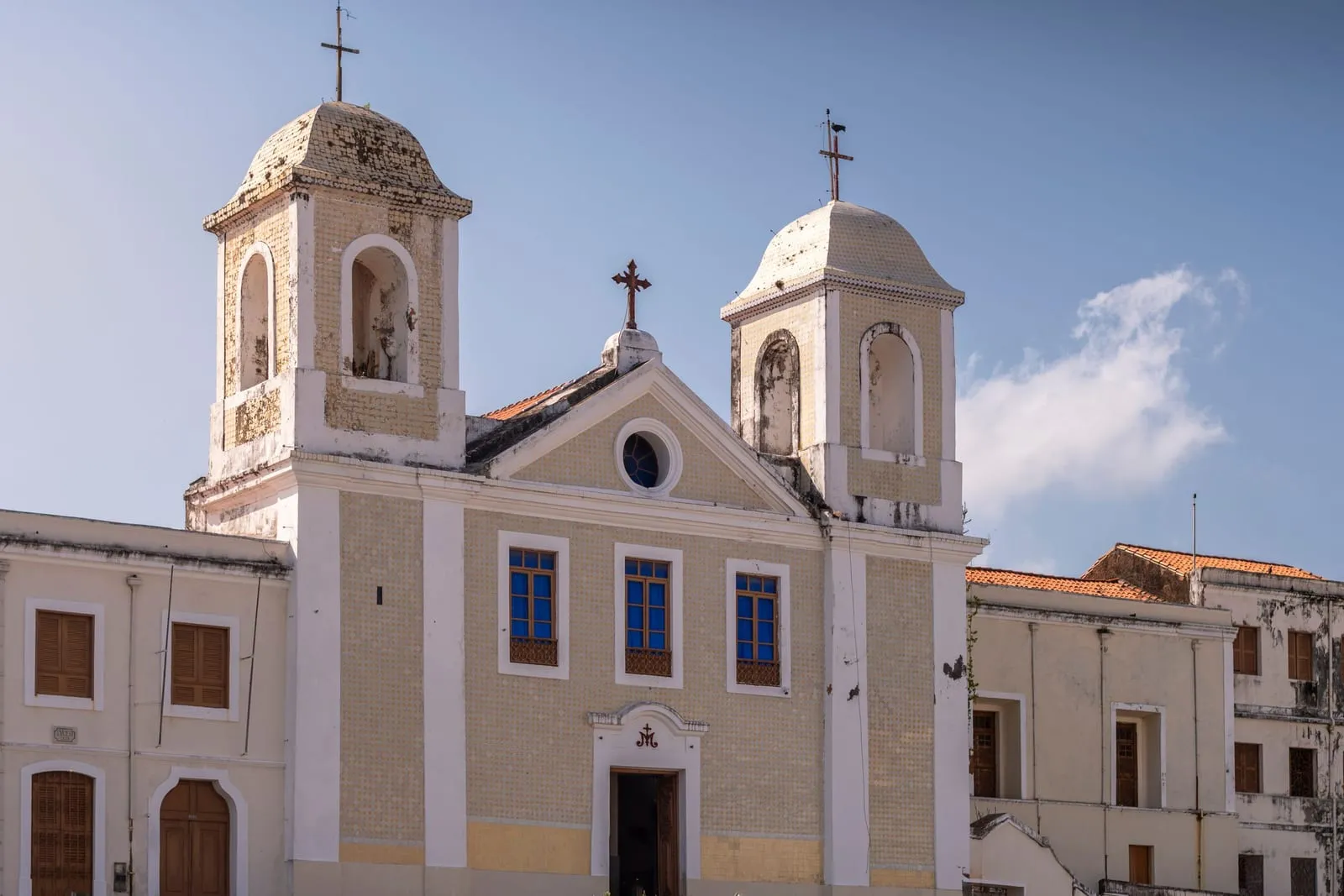
São Luís, the capital of Maranhão, is the only Brazilian state capital founded by the French (in 1612), but it was the Portuguese who shaped it. In the 19th century, rich merchants covered their houses in tiles from Portugal, to keep them cool and beautiful. Today the historic center is a UNESCO World Heritage Site, a little faded but full of character.
It’s also a city of strong popular culture: reggae, Bumba-meu-boi and the tambor de crioula drum dances. People are proud of it and love to explain it. Many visitors only pass through on the way to the Lençóis, but São Luís deserves at least a couple of days.
Updated November 2026 · by Ed
The Portuguese you'll actually use here. Tap to hear how it sounds, then say it out loud.
Start every question with "Com licença…" (excuse me) and end with "obrigado" (if you're a man) or "obrigada" (if you're a woman).
Onde tem reggae hoje à noite?
Where is there reggae tonight?
São Luís is called the "Jamaica brasileira". People dance reggae in pairs, close together, which is unique to Maranhão.
Que azulejos lindos!
What beautiful tiles!
Me vê um Guaraná Jesus.
Can I have a Guaraná Jesus?
A pink, sweet local soda with a taste of cloves and cinnamon. You'll find it only in Maranhão.
Que horas sai o barco para Alcântara?
What time does the boat to Alcântara leave?
Quando é a festa do Bumba-meu-boi?
When is the Bumba-meu-boi festival?
Como eu chego em Barreirinhas?
How do I get to Barreirinhas?
É perigoso andar aqui à noite?
Is it dangerous to walk here at night?
Audio made with Ed's AI voice. Want to hear the real Ed? Book a lesson
Two or three days for the city and Alcântara, then usually 3 or 4 more in the Lençóis.
Taxis and apps are cheap. Vans and tours go to Barreirinhas.
Some Airbnbs in restored houses downtown and many apartments near the beaches.
With a useful phrase for each one.

The Praia Grande neighborhood, a UNESCO World Heritage Site, has the largest collection of colonial Portuguese buildings in Latin America, many covered in colorful tiles ("azulejos").
"Por que tem tanto azulejo nas casas?"
Why are there so many tiles on the houses?

Reggae arrived on the radio from the Caribbean in the 1970s and became São Luís's soundtrack. Visit the Reggae Museum and then dance at a "radiola" party.
"Você me ensina a dançar?"
Will you teach me to dance?

A folk drama with music, dance and colorful costumes, telling the story of an ox that dies and comes back to life. The big festivals are in June, but there are shows all year.
"Qual é o sotaque desse grupo?"
Which style ("sotaque") is this group?

A boat across the bay takes you to Alcântara, a colonial town with ruined mansions and churches from its rich past. Check the tide times for the crossing.
"O mar está agitado hoje?"
Is the sea rough today?

About 4 hours east, Barreirinhas is the base for the white dunes and blue lagoons of the Lençóis. Most travelers spend a night or two in São Luís on the way.
"Tem van para Barreirinhas amanhã cedo?"
Is there a van to Barreirinhas early tomorrow?
The local dishes worth trying, and how to order them.
Rice cooked with vinagreira, a sour local leaf, dried shrimp and sesame. São Luís's signature dish.
"Que gosto tem o cuxá?"What does cuxá taste like?

Not a pie, but a baked shrimp omelette, often served with rice and cuxá.
"Vem com arroz?"Does it come with rice?

Fried "stone fish" from the bay, crispy and served with lime and farofa.
"Esse peixe é fresco?"Is this fish fresh?

Tip: in Brazil a pousada is a small guesthouse, often family-run, with breakfast included.
Stay connected from the moment you land: Get a Brazil eSIM (data plan you install before the trip). How it works
Affiliate links: Ed may earn a small commission at no extra cost to you.
Fly to São Luís (SLZ). The airport is about 20–30 minutes from the historic center and the beaches.
Jul–Dec. The dry season, also the best time for the Lençóis lagoons (Jul–Sep). June is festival month, with Bumba-meu-boi everywhere.
Around R$ 300–600 / day. Rough mid-range estimate per person (hotel, meals and transport).
2–3 days. Two or three days for the city and Alcântara, then usually 3 or 4 more in the Lençóis.
Not needed. Taxis and apps are cheap. Vans and tours go to Barreirinhas.
Historic center: Restored colonial houses and charming pousadas. Beautiful, but very quiet at night, so use a taxi after dark. Ponta d'Areia and São Marcos: Modern beach neighborhoods with hotels, restaurants and bars. Calhau: Seafront area with hotels and an evening walking path.
Some Airbnbs in restored houses downtown and many apartments near the beaches.
Some people in hotels and tourist businesses speak English, but most locals speak only Portuguese. Learning a few phrases, like the ones in this guide, makes your trip much easier and Brazilians really appreciate the effort.
Everything on this site is free, and it'll stay that way. If you'd like extra help, here's what Ed offers:

Giant waterfalls, blue pools and table-top mountains in the Brazilian savanna, plus the Portuguese you'll need there.

White sand dunes as far as you can see, with blue rainwater lagoons in between, plus the Portuguese you'll need to explore them.

The Amazon's food capital, real açaí and the white river beaches of Alter do Chão, plus the Portuguese you'll need there.
20 essential phrases and a simple 7-day plan to start speaking real Brazilian Portuguese.