Bode guisado
Goat stew, slow-cooked with spices, a favorite of the Pernambuco interior.
"O bode está macio?"Is the goat tender?
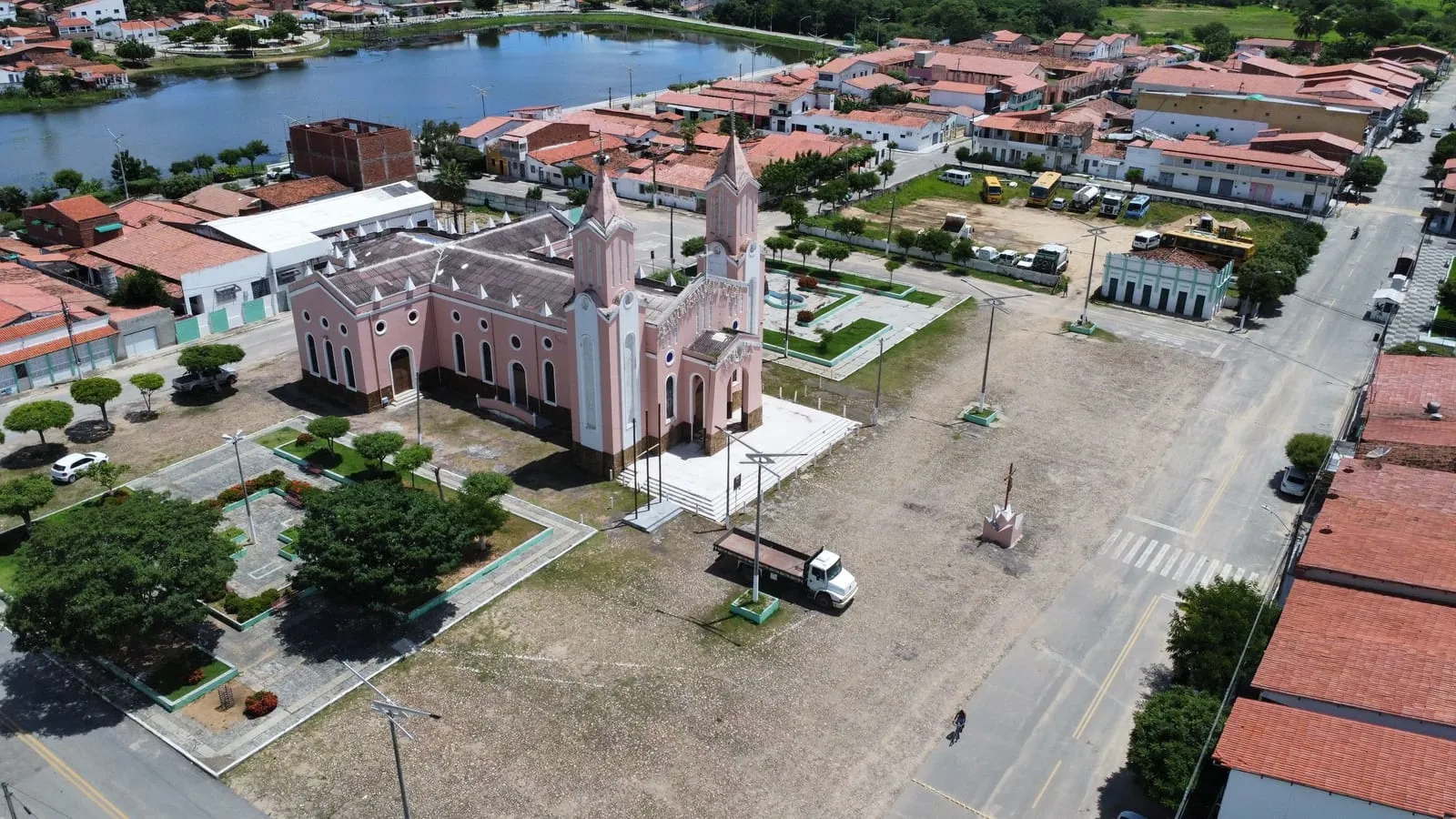
The capital of forró, with a giant São João, one of Brazil's most famous markets and a village of clay artists, plus the Portuguese you'll need there.
Caruaru is the main city of the Agreste, the region between the green coast and the dry sertão of Pernambuco. It’s known as the “Capital do Forró”, and in June its São João festival is one of the biggest celebrations in Brazil.
The rest of the year, Caruaru is about markets and art. Its giant open-air market is part of Brazilian popular culture, and the Alto do Moura neighborhood is full of clay artists who continue the work of Mestre Vitalino. A great place to talk with artisans and practice your bargaining Portuguese.
Updated November 2026 · by Ed
The Portuguese you'll actually use here. Tap to hear how it sounds, then say it out loud.
Start every question with "Com licença…" (excuse me) and end with "obrigado" (if you're a man) or "obrigada" (if you're a woman).
Quanto custa esse boneco de barro?
How much is this clay figure?
Foi o senhor que fez?
Did you make it yourself?
A feira abre todos os dias?
Is the market open every day?
Tem forró hoje no Pátio?
Is there forró at the Pátio today?
Faz um precinho camarada?
Can you give me a friendly price?
A polite, playful way to ask for a discount at markets.
Que horas começa a Paixão de Cristo?
What time does the Passion play start?
Arretado demais!
Totally awesome!
In Pernambuco, "arretado" means great or amazing (it can also mean angry, depending on the tone).
Audio made with Ed's AI voice. Want to hear the real Ed? Book a lesson
Two days for the market, Alto do Moura and museums. During São João or Holy Week, plan three or more.
Taxis and apps cover the city and Alto do Moura. A car or tour is useful for Nova Jerusalém.
Some apartments on Airbnb. Hotels fill up fast in June.
With a useful phrase for each one.

Caruaru competes with Campina Grande for the title of biggest São João in Brazil. The Pátio do Forró hosts free shows all of June, plus parades, quadrilhas and street parties.
"Quem é a atração principal hoje?"
Who's the main act tonight?

A huge open-air market, recognized as Brazilian cultural heritage, selling everything from crafts, leather and hammocks to food, clothes and medicinal herbs. Luiz Gonzaga even wrote a song about it.
"Onde fica a parte de artesanato?"
Where is the crafts section?

A neighborhood of potters, where Mestre Vitalino started making small clay figures of daily life in the sertão. Visit workshops, the Casa-Museu Mestre Vitalino and buy directly from the artists.
"Quanto tempo leva para fazer uma peça?"
How long does it take to make a piece?

Small museums in the center about clay art and about forró, including the life of Luiz Gonzaga, the "King of Baião".
"O museu fala sobre Luiz Gonzaga?"
Does the museum talk about Luiz Gonzaga?

About 50 km away, in Fazenda Nova, a stone replica of Jerusalem hosts the world's largest open-air theater, with a famous Passion play during Holy Week.
"Precisa comprar ingresso com antecedência?"
Do you need to buy tickets in advance?
The local dishes worth trying, and how to order them.
Goat stew, slow-cooked with spices, a favorite of the Pernambuco interior.
"O bode está macio?"Is the goat tender?

Corn paste cooked in the husk, sweet or savory, eaten all year but especially in June.
"Tem pamonha de queijo?"Do you have cheese pamonha?

Steamed cornmeal, served with butter, eggs, cheese or dried meat. Breakfast of the sertão.
"Um cuscuz com ovo e queijo."A cuscuz with egg and cheese.

Tip: in Brazil a pousada is a small guesthouse, often family-run, with breakfast included.
Stay connected from the moment you land: Get a Brazil eSIM (data plan you install before the trip). How it works
Affiliate links: Ed may earn a small commission at no extra cost to you.
2 h by road from Recife. Caruaru is about 130 km west of Recife airport (REC), on the BR-232. Buses leave often from Recife's bus station.
June / Holy Week. São João fills the whole month of June. In Holy Week, the Passion play of Nova Jerusalém is staged nearby. The rest of the year, visit for the market and clay art.
Around R$ 200–500 / day. Rough mid-range estimate per person (hotel, meals and souvenirs). Prices rise during São João.
2–3 days. Two days for the market, Alto do Moura and museums. During São João or Holy Week, plan three or more.
Optional. Taxis and apps cover the city and Alto do Moura. A car or tour is useful for Nova Jerusalém.
Center: Close to the Pátio do Forró and the market. Maurício de Nassau: A residential area with hotels and restaurants. Recife: Some visitors come on a day trip from the coast.
Some apartments on Airbnb. Hotels fill up fast in June.
Some people in hotels and tourist businesses speak English, but most locals speak only Portuguese. Learning a few phrases, like the ones in this guide, makes your trip much easier and Brazilians really appreciate the effort.
Everything on this site is free, and it'll stay that way. If you'd like extra help, here's what Ed offers:

Home of "the biggest São João in the world", a month of forró, bonfires, quadrilha dances and corn treats every June, plus the Portuguese you'll need there.

A historic port city, a colorful colonial town on the hill and warm natural pools at the beach, plus the Portuguese you'll need to enjoy all three.

A colorful colonial town on a hill by the sea, with giant puppets, frevo and one of Brazil's best Carnivals, plus the Portuguese you'll need there.

20 essential phrases and a simple 7-day plan to start speaking real Brazilian Portuguese.