Moqueca capixaba
The Espírito Santo version of moqueca, cooked in a black clay pot with fish, tomato, onion and annatto, without coconut milk or palm oil.
"A moqueca capixaba leva leite de coco?"Does the moqueca capixaba have coconut milk?
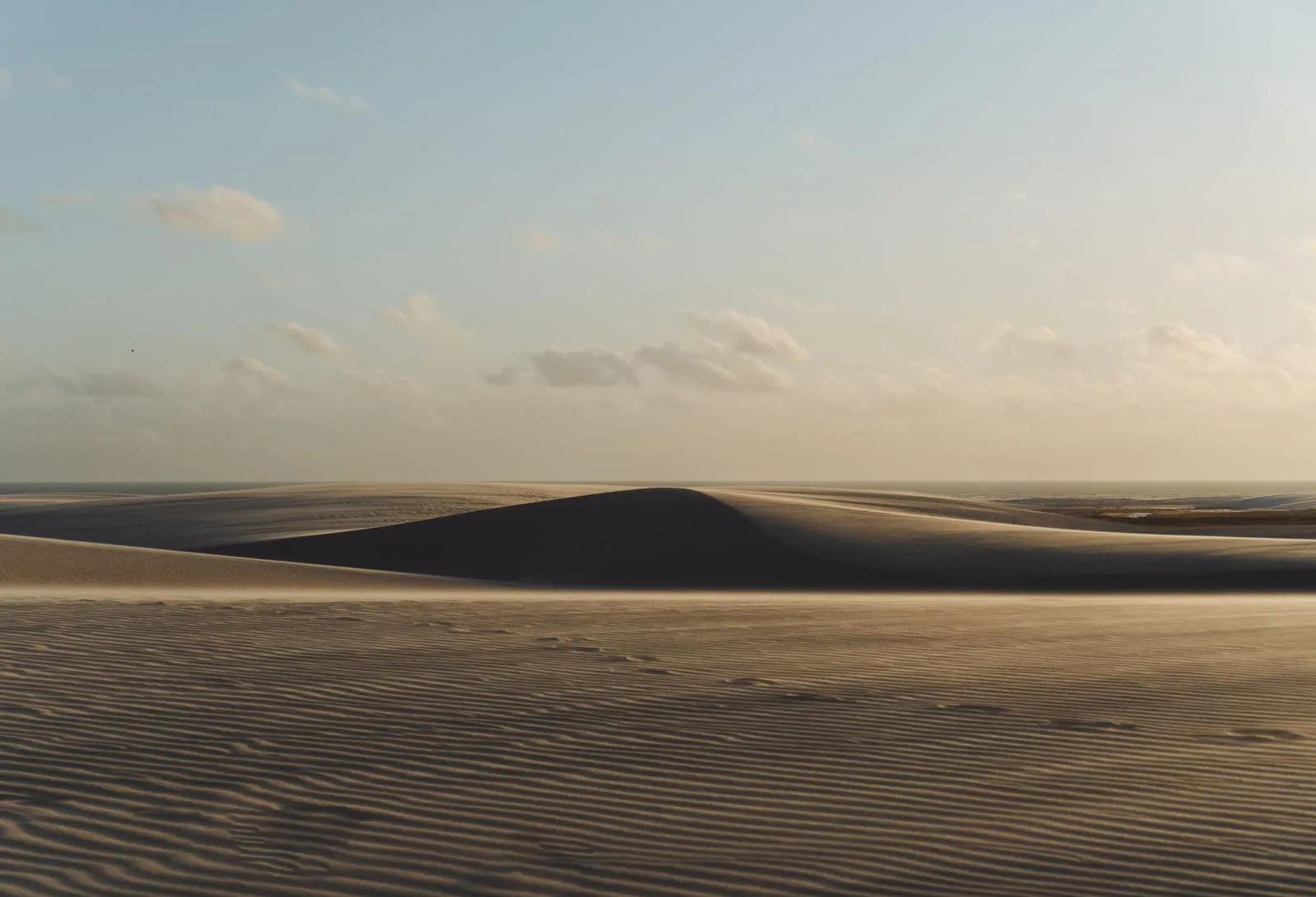
A village rebuilt after the dunes swallowed the old one, wild beaches, sea turtles and forró every night, plus the Portuguese you'll need there.
Itaúnas is a small village in the far north of Espírito Santo, famous for a strange story: in the 1950s and 1960s, sand dunes slowly buried the old village, and the residents had to rebuild it on the other side of the river. Today the dunes are part of a state park, with wild beaches, coastal forest and nesting sea turtles.
At night, the village becomes one of the capitals of forró pé-de-serra, the traditional music of the Brazilian Northeast. Young people from all over Brazil come to dance, especially in July, during the National Forró Festival.
Updated November 2026 · by Ed
The Portuguese you'll actually use here. Tap to hear how it sounds, then say it out loud.
Start every question with "Com licença…" (excuse me) and end with "obrigado" (if you're a man) or "obrigada" (if you're a woman).
A cidade antiga está embaixo das dunas?
Is the old town under the dunes?
Onde tem forró hoje à noite?
Where is there forró tonight?
Você me ensina a dançar forró?
Will you teach me to dance forró?
Forró is danced in pairs, very close. Asking someone to dance is normal and friendly.
Dá para atravessar o rio a pé?
Can you cross the river on foot?
Quando nascem as tartarugas?
When do the turtles hatch?
A praia fica longe da vila?
Is the beach far from the village?
Bora pro forró!
Let's go to the forró!
Audio made with Ed's AI voice. Want to hear the real Ed? Book a lesson
Three days for the dunes, beaches and forró. Many people stay longer, since the rhythm here is slow and the nights are long.
The village is small and walkable. A car helps only to arrive and visit beaches further away.
A few houses on Airbnb, plus simple pousadas and campsites.
With a useful phrase for each one.

In the mid-20th century, after the forest was cut down, moving dunes slowly covered the old village of Itaúnas. The people rebuilt it on the other side of the river. Climb the dunes, up to 30 meters high, for the view.
"Ainda dá para ver a torre da igreja antiga?"
Can you still see the old church tower?

Protects the dunes, beaches, river and coastal forest. Trails lead to the beaches and through the restinga vegetation.
"Qual trilha leva até a praia?"
Which trail leads to the beach?

Every night in summer, the village's bars play forró pé-de-serra, the traditional style with accordion, triangle and zabumba drum. People dance until sunrise.
"Que horas começa o forró?"
What time does the forró start?

Between September and March, sea turtles nest on the beaches, protected by the Tamar project. With luck, you can see hatchlings going to the sea.
"Pode tocar nas tartarugas?"
Can you touch the turtles?

The river winds behind the dunes, good for canoeing, swimming and watching the sunset.
"Onde alugo um caiaque?"
Where do I rent a kayak?
The local dishes worth trying, and how to order them.
The Espírito Santo version of moqueca, cooked in a black clay pot with fish, tomato, onion and annatto, without coconut milk or palm oil.
"A moqueca capixaba leva leite de coco?"Does the moqueca capixaba have coconut milk?

Fried fish of the day with rice, beans and salad, the simple lunch in village restaurants.
"Qual é o peixe de hoje?"What's today's fish?

Fresh sugarcane juice, often with lemon or pineapple, great before a night of dancing.
"Um caldo de cana com limão."A sugarcane juice with lemon.

Tip: in Brazil a pousada is a small guesthouse, often family-run, with breakfast included.
Stay connected from the moment you land: Get a Brazil eSIM (data plan you install before the trip). How it works
Affiliate links: Ed may earn a small commission at no extra cost to you.
4 h by road from Vitória. Itaúnas is about 270 km north of Vitória airport (VIX), near the border with Bahia. Buses go to Conceição da Barra, then local buses or taxis cover the last 25 km of dirt road.
Dec–Mar / July. Summer for the beach and the busiest forró nights. July hosts the National Forró Festival. The rest of the year is very quiet.
Around R$ 250–500 / day. Rough mid-range estimate per person (pousada, meals and forró nights). Prices rise during the festival and New Year.
3–5 days. Three days for the dunes, beaches and forró. Many people stay longer, since the rhythm here is slow and the nights are long.
Optional. The village is small and walkable. A car helps only to arrive and visit beaches further away.
Itaúnas village: Everything within walking distance, including the forró bars. Near the river: Quieter pousadas a few minutes from the center. Conceição da Barra: A bigger town with more services, 25 km away.
A few houses on Airbnb, plus simple pousadas and campsites.
Some people in hotels and tourist businesses speak English, but most locals speak only Portuguese. Learning a few phrases, like the ones in this guide, makes your trip much easier and Brazilians really appreciate the effort.
Everything on this site is free, and it'll stay that way. If you'd like extra help, here's what Ed offers:

An island capital, a convent on a hill, Brazil's most famous moqueca and the black-sand beaches of Guarapari, plus the Portuguese you'll need there.

A giant granite rock that changes color, mountain villages founded by German and Italian immigrants, and strawberries, coffee and cold nights, plus the Portuguese you'll need there.

A car-free village of sand streets between a river and the sea, reached by canoe, plus the Portuguese you'll need there.

20 essential phrases and a simple 7-day plan to start speaking real Brazilian Portuguese.