Palmito pupunha
Peach palm hearts, grown sustainably in the Vale do Ribeira, served grilled, in salads or pies.
"O palmito é daqui da região?"Are the palm hearts from this region?
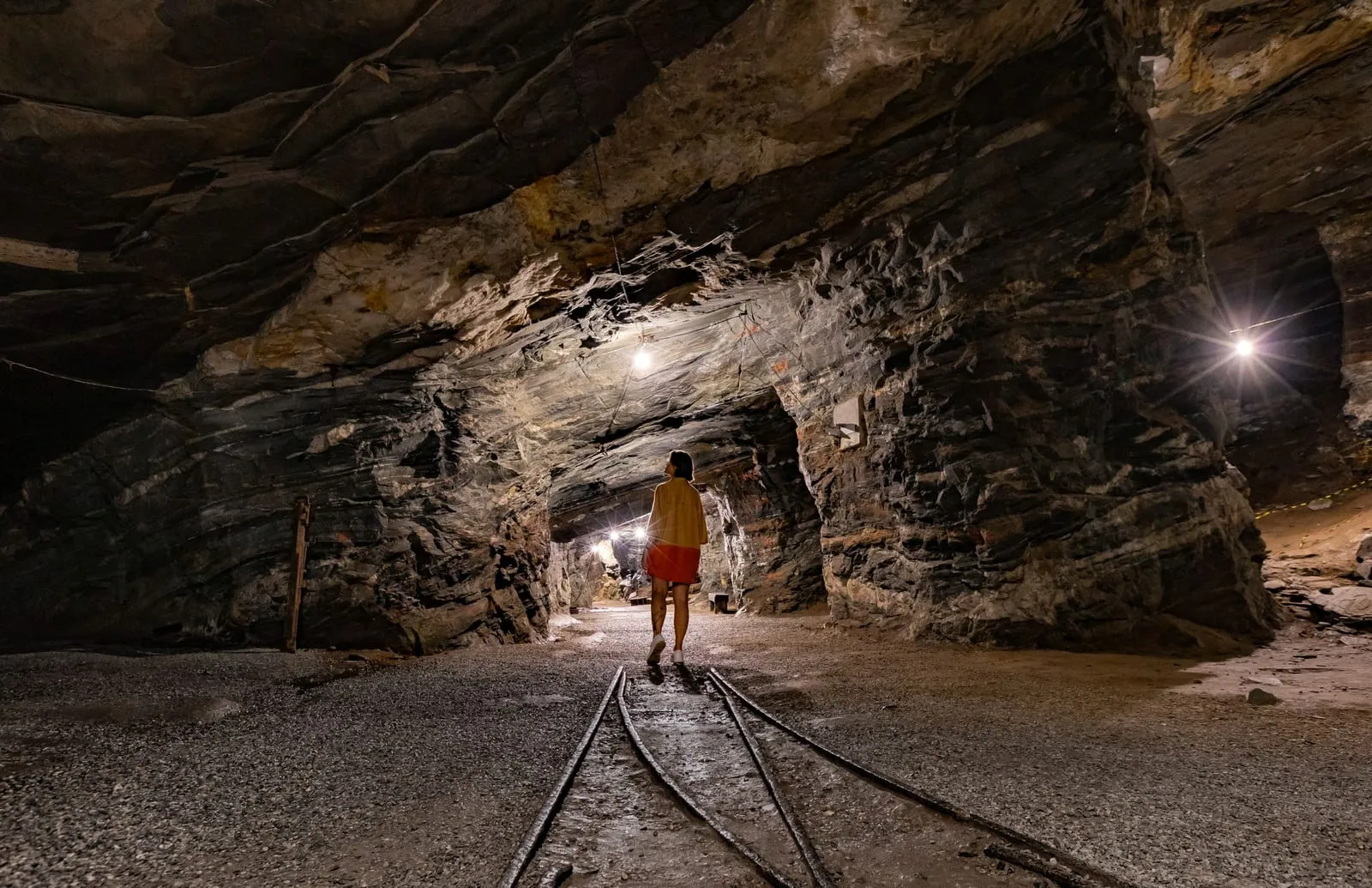
Hundreds of limestone caves with underground rivers, in a huge Atlantic forest park in the Vale do Ribeira, plus the Portuguese you'll need there.
PETAR, the Alto Ribeira Tourist State Park, is one of the most important cave areas in Brazil, with more than 300 registered caves inside a large area of Atlantic forest in southern São Paulo state. Underground rivers, huge chambers and delicate limestone formations make it a paradise for cave lovers.
The Vale do Ribeira is one of the poorest regions of São Paulo, but also one of the richest in nature and culture, with quilombos, small farms and friendly local guides. Caving here is an adventure, and a great chance to practice Portuguese in the dark.
Updated November 2026 · by Ed
The Portuguese you'll actually use here. Tap to hear how it sounds, then say it out loud.
Start every question with "Com licença…" (excuse me) and end with "obrigado" (if you're a man) or "obrigada" (if you're a woman).
Precisa de guia para entrar na caverna?
Do you need a guide to enter the cave?
Yes, visits to the caves must be made with an accredited local guide, who usually provides helmets and lights.
Vamos nos molhar dentro da caverna?
Are we going to get wet inside the cave?
O capacete e a lanterna estão incluídos?
Are the helmet and flashlight included?
Essa formação se chama como?
What is this formation called?
Tem morcego aqui dentro?
Are there bats in here?
Que escuridão!
How dark!
Quanto tempo dura a visita?
How long does the visit last?
Audio made with Ed's AI voice. Want to hear the real Ed? Book a lesson
Three days to visit the main caves in different areas of the park. The drive is long, so don't come for just one day.
The park's areas are far apart on dirt roads. Some guides provide transport.
A few houses on Airbnb, but most visitors stay in simple pousadas in the Bairro da Serra.
With a useful phrase for each one.

The most famous cave of PETAR, with walkways, an underground river and rich formations of stalactites and stalagmites. Good for first-timers.
"Essa caverna é boa para iniciantes?"
Is this cave good for beginners?

A cave with one of the largest entrances in the world, a portal about 215 meters high. The trail through the forest to reach it is a full-day adventure.
"A trilha até a Casa de Pedra é longa?"
Is the trail to Casa de Pedra long?

An adventurous cave where you walk inside the river, with water up to your waist in places. Bring clothes that can get wet.
"A água chega até onde?"
How high does the water get?

PETAR protects one of the largest remaining areas of Atlantic forest, with waterfalls like Cachoeira do Couto and trails full of birds.
"Qual cachoeira dá para nadar?"
Which waterfall can you swim at?

The region has many quilombo communities, founded by people who escaped slavery. Some offer community tourism, food and cultural visits.
"A comunidade recebe visitantes?"
Does the community receive visitors?
The local dishes worth trying, and how to order them.
Peach palm hearts, grown sustainably in the Vale do Ribeira, served grilled, in salads or pies.
"O palmito é daqui da região?"Are the palm hearts from this region?

Home cooking with rice, beans, chicken, cassava and vegetables, served in pousadas after a long day in the caves.
"O jantar está incluído na pousada?"Is dinner included at the guesthouse?

The Vale do Ribeira is a big banana producer. Try banana chips, banana candy and banana cake.
"Tem bala de banana daqui?"Do you have local banana candy?

Tip: in Brazil a pousada is a small guesthouse, often family-run, with breakfast included.
Stay connected from the moment you land: Get a Brazil eSIM (data plan you install before the trip). How it works
Affiliate links: Ed may earn a small commission at no extra cost to you.
5 h by road from São Paulo. PETAR is about 320 km from São Paulo (GRU), in the Vale do Ribeira. The main base is the Bairro da Serra, near Iporanga. The last part of the road is unpaved and winding.
Apr–Sep. Drier months, with less mud and lower risk of caves closing due to rain. Summer brings heavy rain and some caves may close.
Around R$ 250–500 / day. Rough mid-range estimate per person (pousada, meals and guide). Guides usually charge per group.
3–4 days. Three days to visit the main caves in different areas of the park. The drive is long, so don't come for just one day.
Recommended. The park's areas are far apart on dirt roads. Some guides provide transport.
Bairro da Serra: The main base, with pousadas, guides and restaurants. Iporanga: A small historic town nearby. Apiaí: A bigger town on the other side of the park.
A few houses on Airbnb, but most visitors stay in simple pousadas in the Bairro da Serra.
Some people in hotels and tourist businesses speak English, but most locals speak only Portuguese. Learning a few phrases, like the ones in this guide, makes your trip much easier and Brazilians really appreciate the effort.
Everything on this site is free, and it'll stay that way. If you'd like extra help, here's what Ed offers:

One of the oldest towns in Brazil, mangroves full of dolphins and a wild island of empty beaches and traditional fishing villages, plus the Portuguese you'll need there.

Brazil's giant, with world-class food, museums, nightlife and neighborhoods from every corner of the world, plus the Portuguese you'll need to enjoy it.

Brazil's green, organized city of parks and design, with a scenic train ride down the mountains to the sea, plus the Portuguese you'll need there.

20 essential phrases and a simple 7-day plan to start speaking real Brazilian Portuguese.