Churrasco
Rio Grande do Sul is the home of Brazilian barbecue. Order "costela" (beef ribs, slow-roasted for hours) or go to a rodízio, where waiters bring meat until you say stop.
"Chega, obrigado! Estou satisfeito."That's enough, thanks! I'm full.
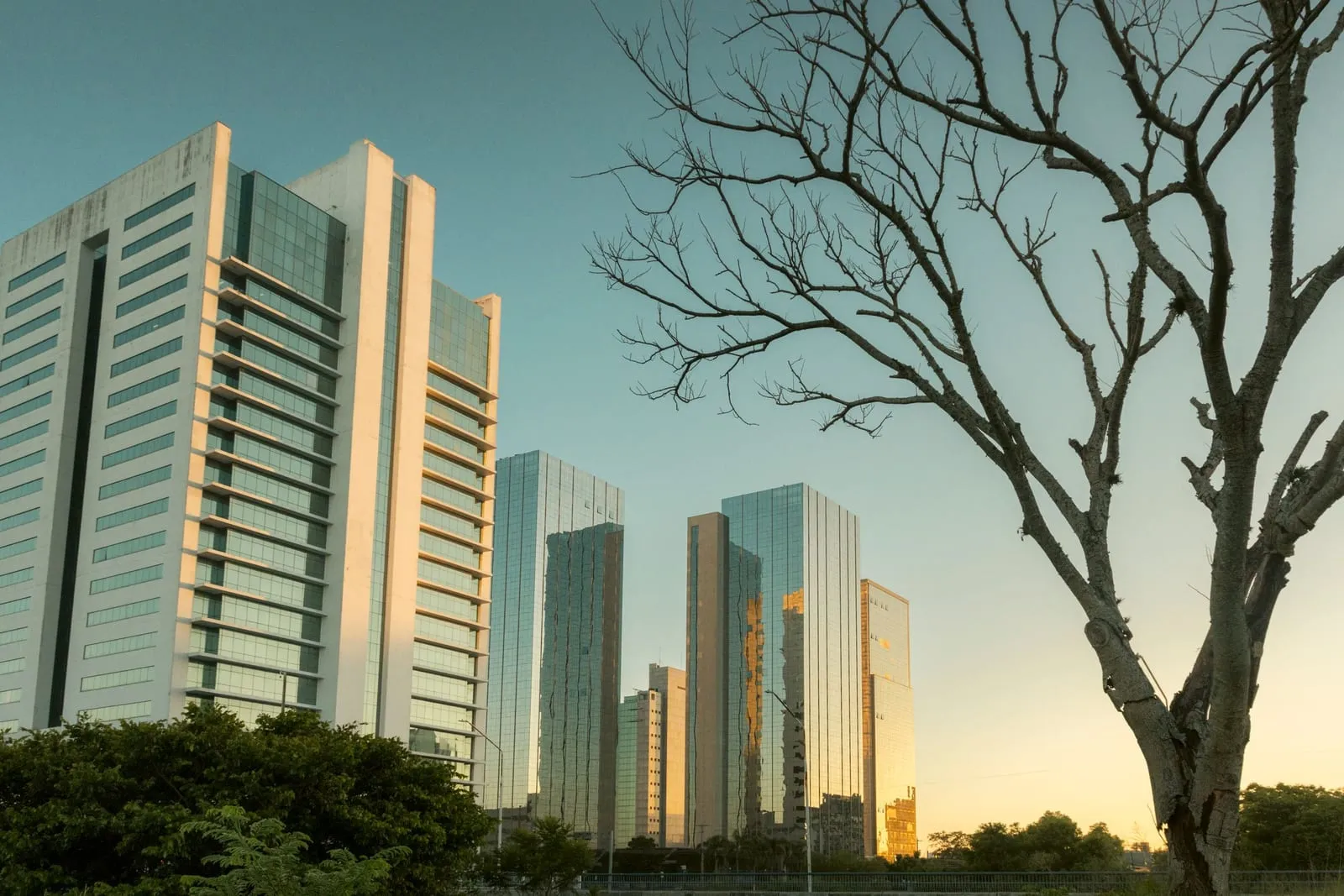
Gaúcho culture, churrasco, chimarrão and sunsets over the Guaíba, plus the Portuguese you'll need there.
Porto Alegre is the capital of Rio Grande do Sul, Brazil’s southernmost state, close to Uruguay and Argentina. The gaúcho culture is strong here: people are proud of their traditions, their barbecue and their chimarrão, and they have a vocabulary of their own.
The accent is very different from Rio or São Paulo. Gaúchos often use “tu” instead of “você” and pronounce the “t” and “d” more like Spanish. It’s a fun place to discover how much Brazilian Portuguese changes from region to region.
Updated November 2026 · by Ed
The Portuguese you'll actually use here. Tap to hear how it sounds, then say it out loud.
Start every question with "Com licença…" (excuse me) and end with "obrigado" (if you're a man) or "obrigada" (if you're a woman).
Bah, tchê, que lindo!
Wow, man, how beautiful!
The two most famous gaúcho words. Use "bah" for surprise and "tchê" like "mate" or "dude".
Quer um chimarrão?
Do you want some chimarrão?
Sharing the gourd is a sign of friendship. Drink it all, give it back, and don't move the metal straw!
Me vê um cacetinho.
Can I have a bread roll?
In Porto Alegre, the classic French bread roll is a "cacetinho", not a "pãozinho".
O xis vem com o quê?
What comes in the xis?
Onde fica o Mercado Público?
Where is the Public Market?
Pode me trazer a carne mal passada?
Can you bring me the meat rare?
Isso é tri bom!
This is really good!
"Tri" means "very" in gaúcho slang.
Audio made with Ed's AI voice. Want to hear the real Ed? Book a lesson
Two or three days for the city, then many travelers continue to Gramado and Canela (about 2 hours away).
Taxis, apps and the metro work well in the city. Rent a car later if you go to the Serra Gaúcha.
Good Airbnb options in Moinhos de Vento, Cidade Baixa and Bom Fim.
With a useful phrase for each one.

Porto Alegre has one of the most famous sunsets in Brazil. Walk the renovated waterfront ("Orla") near the Usina do Gasômetro and watch the sky turn orange over the water.
"Que pôr do sol, tchê!"
What a sunset, man!

A 19th-century market full of spices, herbs for chimarrão, cheeses and cafés. Try the "bomba royal" dessert at the famous Banca 40.
"Qual erva-mate você recomenda?"
Which yerba mate do you recommend?

The city's favorite park. On Sundays, the Brique da Redenção fair fills the avenue next to it with antiques, crafts and people drinking chimarrão.
"Quanto custa essa cuia?"
How much is this gourd?

A pink former hotel where the poet Mario Quintana lived, now a cultural center with cinemas, exhibitions and a rooftop café with a view.
"Tem exposição hoje?"
Is there an exhibition today?

The city's historic square, with the cathedral, the state government palace and the Theatro São Pedro, a beautiful 19th-century theater that still hosts concerts and plays.
"Tem espetáculo hoje à noite?"
Is there a show tonight?

Designed by Pritzker Prize architect Álvaro Siza, this sculptural white concrete art museum sits right on the Guaíba shoreline — worth visiting as much for its sweeping river-view ramps as for its exhibitions.
"A entrada na Fundação Iberê Camargo é gratuita?"
Is admission to Fundação Iberê Camargo free?

Explore Cidade Baixa's bohemian cafés, live music bars and student energy, or head to the revitalized 4º Distrito — a former warehouse zone now packed with Porto Alegre's best craft breweries.
"Qual cervejaria do Quarto Distrito você recomenda?"
Which brewery in the 4th District do you recommend?

Stroll the revitalized waterfront docks of Cais Embarcadero for open-air drinks and burgers by the Guaíba, or hop aboard the historic Cisne Branco boat for a sunset lake cruise.
"O passeio do barco Cisne Branco sai que horas?"
What time does the Cisne Branco boat tour leave?
The local dishes worth trying, and how to order them.
Rio Grande do Sul is the home of Brazilian barbecue. Order "costela" (beef ribs, slow-roasted for hours) or go to a rodízio, where waiters bring meat until you say stop.
"Chega, obrigado! Estou satisfeito."That's enough, thanks! I'm full.

The gaúcho sandwich, huge and pressed flat, filled with meat, egg, corn, peas, cheese and more. One is usually enough for two.
"Um xis coração, por favor."A chicken heart xis, please.

Hot yerba mate drunk from a gourd through a metal straw. Not a food, but the soul of gaúcho culture. You'll see people carrying their thermos everywhere.
"Posso experimentar?"Can I try it?

Hearty Gaúcho classics — rice cooked with savory dried beef (charque) and tender beef ribs slow-roasted over wood coals for hours until they fall off the bone.
"Esse arroz de carreteiro é feito com charque?"Is this arroz de carreteiro made with charque?

A beloved southern Brazilian dessert of red-wine tapioca pearls topped with cool vanilla custard (sagu com creme), alongside fresh bakery cucas.
"Tem sagu com creme de baunilha de sobremesa?"Do you have sagu with vanilla cream for dessert?

Tip: in Brazil a pousada is a small guesthouse, often family-run, with breakfast included.
Landing at the airport? Book a private airport transfer with an English-speaking driver waiting for you.
Stay connected from the moment you land: Get a Brazil eSIM (data plan you install before the trip). How it works
Affiliate links: Ed may earn a small commission at no extra cost to you.
Fly to Porto Alegre (POA). Salgado Filho airport is about 20 minutes from the center by taxi, app or the airport train ("aeromóvel" to the metro).
Mar–May, Sep–Nov. Mild and pleasant. Summers are very hot and humid, and winters can get cold (below 5 °C).
Around R$ 350–650 / day. Rough mid-range estimate per person (hotel, meals and transport).
2–3 days. Two or three days for the city, then many travelers continue to Gramado and Canela (about 2 hours away).
Not needed. Taxis, apps and the metro work well in the city. Rent a car later if you go to the Serra Gaúcha.
Moinhos de Vento: Elegant, leafy and safe, with the best restaurants and cafés. Cidade Baixa: Bohemian and lively, full of bars. Great for nightlife. Centro Histórico: Close to the sights and the market, but quiet and less safe at night.
Good Airbnb options in Moinhos de Vento, Cidade Baixa and Bom Fim.
Some people in hotels and tourist businesses speak English, but most locals speak only Portuguese. Learning a few phrases, like the ones in this guide, makes your trip much easier and Brazilians really appreciate the effort.
Everything on this site is free, and it'll stay that way. If you'd like extra help, here's what Ed offers:

Brazil's capital of sweets, with Portuguese-style candies, grand 19th-century mansions and a lake beach in the pampas, plus the Portuguese you'll need there.

The red stone ruins of a Jesuit-Guarani mission, a UNESCO World Heritage Site with a sound and light show under the stars, plus the Portuguese you'll need there.

A stone cathedral, a 131-meter waterfall and forest canyons in the Serra Gaúcha, the calmer twin of Gramado, plus the Portuguese you'll need there.

20 essential phrases and a simple 7-day plan to start speaking real Brazilian Portuguese.